 Building strong legs isn’t just about bigger muscles or better performance at the gym. Leg strength plays a huge role in balance and stability, no matter your age or fitness level. Working on leg strength makes everyday movements like climbing stairs, walking on uneven ground, or even standing still feel easier and safer.
If you sometimes feel unsteady or want to stay active and mobile long-term, leg stability exercises are super useful. The good news is most exercises that improve leg strength also boost stability if you focus on proper form, slow movements, and using your core.
This article covers some of the best leg strength exercises for stability, plus tips on getting the most out of them and ideas for making your workouts more effective and safe. With a focus on practical, home-friendly movements, you can track down new and more confident ways to move every day.
1. Why Leg Strength Matters For Stability
Strong legs do way more than just help with running or squatting more weight. They’re the foundation of good balance. With every step or switch in direction, your leg muscles—especially your glutes, quads, hamstrings, and calves—are working behind the scenes to keep you upright.
Good leg strength helps:
- Keep your balance when you trip or step on something uneven
- Lower your risk of falls and injuries
- Improve posture and movement control
- Boost your ability to carry groceries, play sports, or move easily
Stability comes from a blend of muscle strength, joint control, and coordination. By focusing on leg exercises that use more than one muscle group (compound movements) and work single sides of the body (unilateral moves), you challenge your balance and build real-world strength for everyday life.
2. Best Leg Exercises To Increase Stability
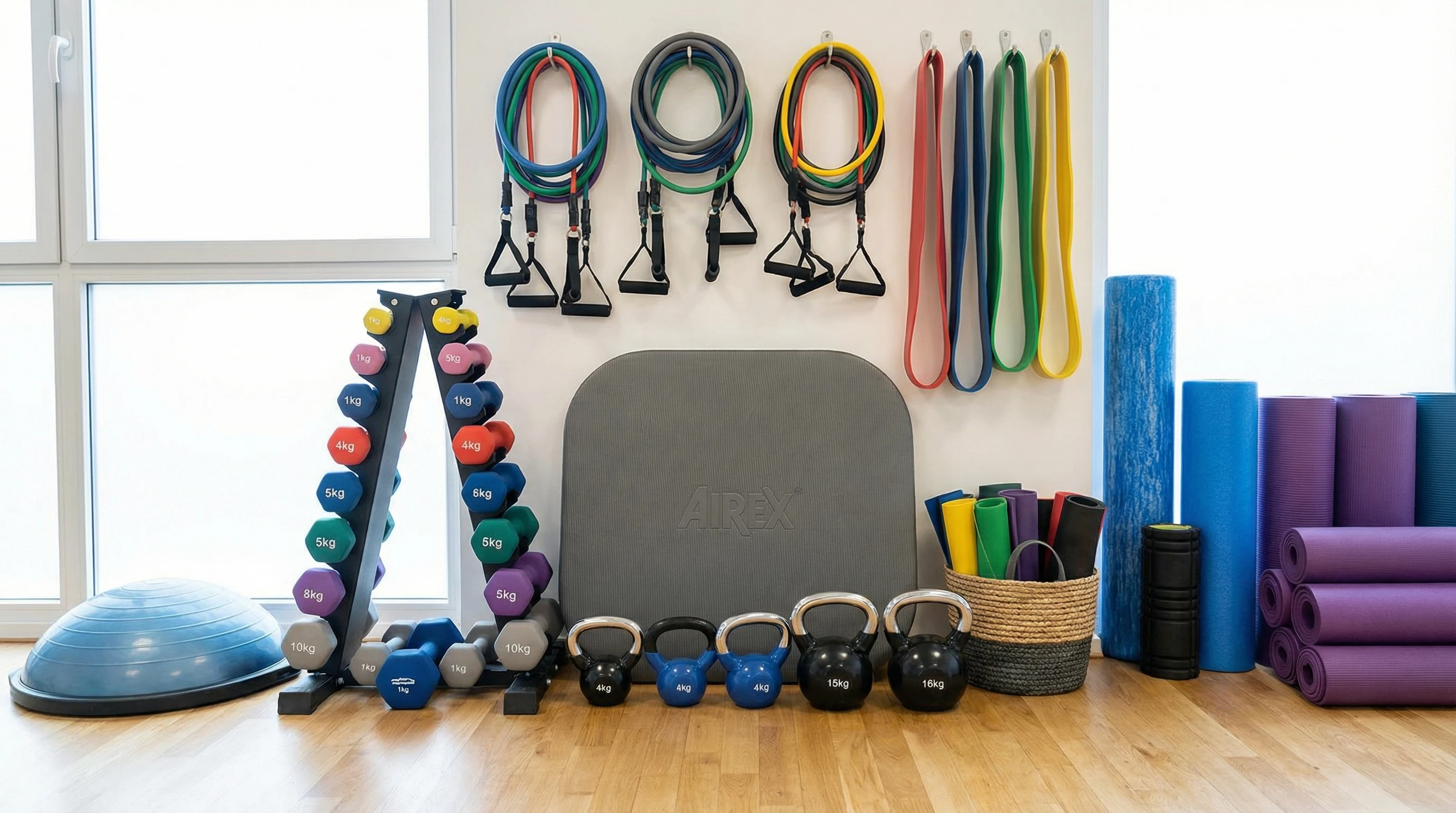
You don’t need fancy gym equipment to build stable strong legs. These exercises use your own body weight or simple gear like dumbbells and resistance bands. Focus on slow, controlled movements, and always check your form in a mirror or ask for feedback if you’re unsure. Try to squeeze your core during each move to give your balance a boost.
Squats
Squats are pretty much a one stop shop for leg and core strength. Keeping your heels in contact with the ground and your chest lifted helps train better balance and hip stability.
How To:
- Stand with feet shoulder width apart, toes slightly turned out
- Keep your chest proud, and bend at your hips and knees like you’re sitting back into a chair
- Lower down as far as comfortable (ideally thighs parallel to the floor)
- Drive through your heels to stand back up
You can make squats more intense by adding resistance bands or dumbbells as you get stronger, or even holding the bottom position for a few seconds to test your endurance and balance.
Lunges
Lunges force each leg to work on its own, which is really important for fixing muscle imbalances and improving sidetoside stability. Mixing in rear lunges, lateral lunges, or walking lunges is a good way to mix it up.
How To:
- Start standing, then take a big step forward with one foot
- Lower your back knee toward the floor, keeping your front knee over your ankle
- Push off your front leg to return to standing, then switch legs
If you want more challenge, try holding dumbbells or wearing a weighted vest. Slowing down each rep helps your legs and core do even more work.
SingleLeg Deadlifts
This move hits your hamstrings and glutes, and is great for working balance through the hips and core. You’ll feel all the stabilizers in your standing leg work overtime and see your balance improve session after session.
How To:
- Stand on one leg with a soft bend in your knee, holding a dumbbell in one or both hands
- Hinge at your hips and reach the weight toward the floor while your other leg extends behind you
- Keep your back flat and eyes forward
- Return to standing, driving through your standing leg
This move can be tough at first, but starting with a light weight (or no weight) lets you focus on control over rushing through reps.
StepUps
Stepups are ideal for simulating real life movements, like climbing stairs. They help train knee and hip stability with less risk than jumping. You can do them with a sturdy bench or a set of stairs at home.
How To:
- Start in front of a sturdy step or bench
- Place one foot on the step, push through your heel, and bring your other foot up to meet it
- Step back down, leading with the same foot, and repeat before switching sides
To up the challenge, hold light dumbbells or drive your knee up to your chest at the top of the motion. Always make sure the step or platform is secure before starting.
Glute Bridges
Strong glutes do more than power your stride. They help your pelvis stay steady and keep your lower back protected. Glute bridges are easy to adjust and make a big difference for stability.
How To:
- Lie on your back with knees bent and feet flat on the ground
- Push through your heels to lift your hips as high as comfortable, squeeze your glutes at the top
- Lower down with control
Singleleg glute bridges are another great way to focus on stability by making each leg do more work individually. As you get stronger, add a resistance band around your knees for extra intensity and muscle activation.
3. Ways To Target Stability Even More
Adding a few tweaks to your normal leg exercises can do a lot for stability and overall control. Here are some simple options to try:
- Try one leg at a time: Moves like singleleg squats or singleleg glute bridges make your stabilizing muscles work harder. They really force your body to keep itself balanced and can reveal which side is weaker.
- Add uneven surfaces: Doing exercises on a balance pad, BOSU ball, or even a folded towel makes your core and ankles help out more. These small surfaces make your body stabilize and build strength you can use in daily life.
- Go slow and pause: Slowing down and pausing at the hardest part of the movement forces your body to control itself instead of relying on momentum. This builds both muscle and real balance skills.
You can also combine exercises together. For example, a “reverse lunge to knee raise” or a “curtsy lunge to singleleg deadlift” works different muscles and challenges both balance and coordination. Mixing up your routine is a smart way to stay motivated and target hidden muscle groups.
4. Tips For Safe And Effective Leg Strength Training
Keeping things safe and productive doesn’t take a ton of rules, just some commonsense reminders to help you train smarter:
- Always warm up with light cardio and dynamic stretching, like leg swings or bodyweight squats.
- Don’t ignore your core. Brace it during every move for extra stability and protect your back.
- Start with your own body weight, then add resistance as you get stronger. Progress slowly to keep form in check.
- If you feel pain, especially sharp or joint pain, stop and check your form or try a different exercise. Soreness is okay; pain is not.
- Balance exercises work best when you do them regularly, about two or three times a week for steady results.
If you’re not sure where to start or have a history of injuries, checking in with a physical therapist or trainer is worth it. They can show you the right way to move and build a plan around your unique goals. If it’s been a while since you last exercised, get the green light from your doctor before beginning a new routine, especially if you have any medical concerns.
5. Simple AtHome Leg Strength And Stability Routine
Here’s a beginner friendly routine you can do at home with just your body weight. It takes about 20 minutes and covers all the basics. This routine is easy to follow at any fitness level and requires no special equipment:
- Squats: 3 sets of 12 reps
- Reverse lunges: 3 sets of 10 reps per leg
- Singleleg glute bridges: 2 sets of 8 reps per leg
- Stepups (on a sturdy chair or stairs): 3 sets of 10 per leg
- Balance hold (stand on one foot, eyes closed): 3 x 20 seconds per leg
Rest 30 to 60 seconds between sets. As you get stronger, add resistance bands or household items like a backpack with books for extra challenge. Keep a water bottle nearby and pay attention to your posture to get the most out of each movement. Remember to cool down with light stretching at the end to keep your legs feeling fresh for your next workout.
Final Thoughts
Leg strength and stability are key for moving, working out, or just living with more confidence. Good balance keeps you safer and makes daily tasks easier at any age. Working these exercises into your routine will help your legs feel stronger, steadier, and more reliable in everyday life. When you make stability training a regular habit, you’ll notice each step and movement getting smoother—and that can add up to a big difference in your overall health and fitness down the road.