If you’ve ever struggled with inconsistency in your swing, whether it’s for golf, baseball, or even tennis, core strength usually plays a huge part. Building a strong, stable core is one of those things that makes a surprisingly big difference. It’s not just for pros, but for anyone who wants a smoother, more controlled swing. Everything from balance and posture to raw power connects back to those muscles running through your midsection. In this article, I’ll break down what core strength does for your swing, how to start building it with the right exercises, and what to keep in mind as you work out so you actually see results where you want them.
Why Core Strength Matters for a Better Swing
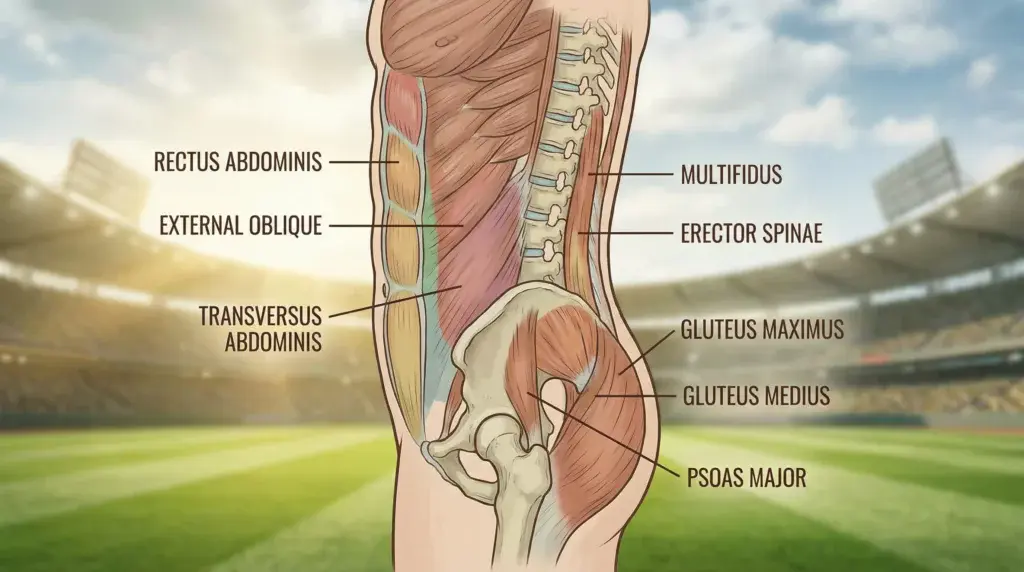
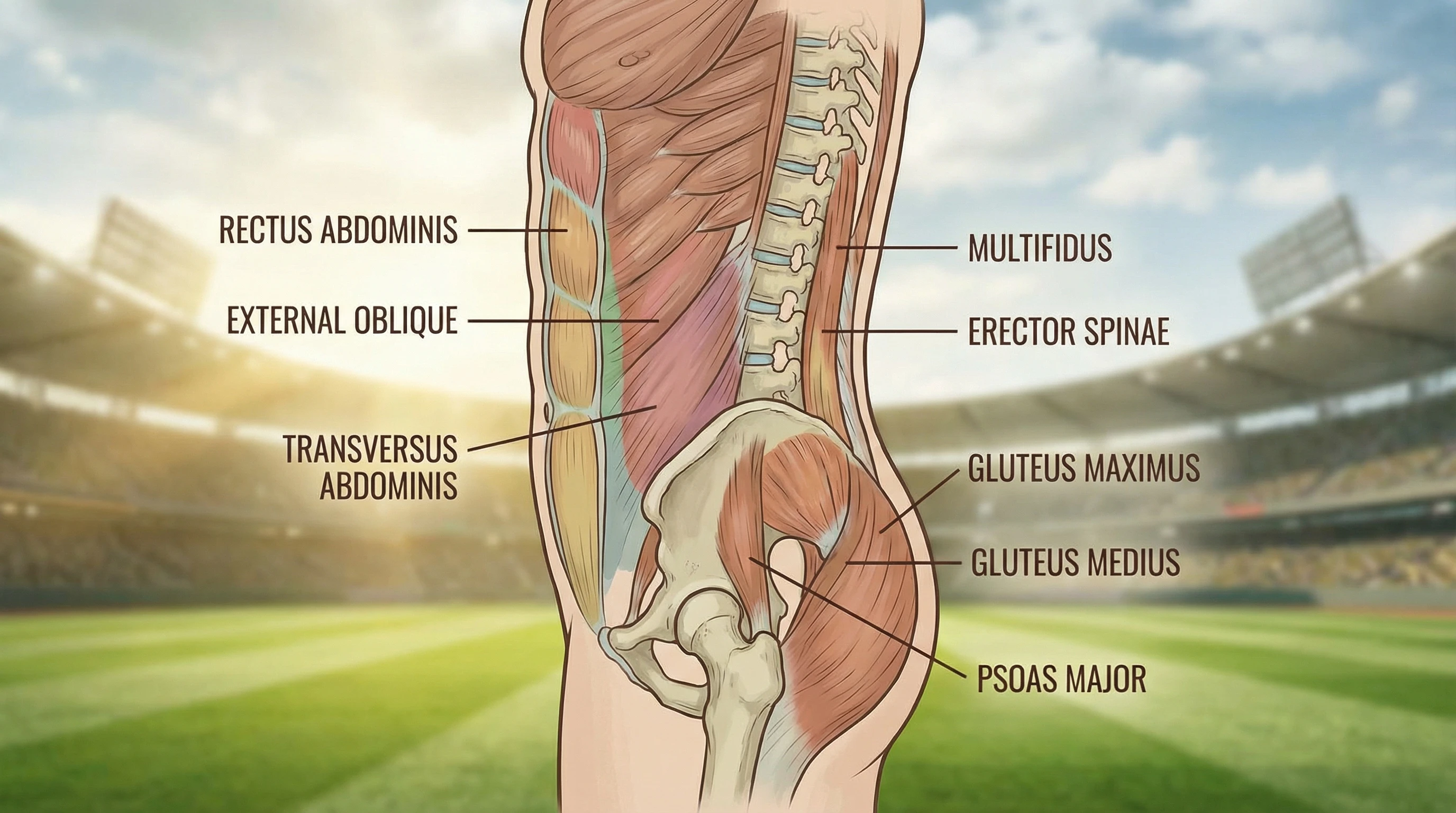
Your core isn’t just about visible abs. I’m talking about the deep muscles around your spine and pelvis (think abs, lower back, glutes, and even hips) that work together whenever you twist, turn, or shift weight. When you swing, these muscles help transfer power from the ground through your body and into whatever is in your hands, whether it’s a bat or a club. It’s what lets you generate enough force for a powerful drive or a sharp shot, all while keeping your motion smooth and balanced.
If your core is weak or untrained, your swing can feel sloppy or inconsistent. Your upper body may end up overcompensating, which drains power and leads to awkward movements or even injuries, especially in your lower back. Core strength also helps maintain good posture all the way through your swing so you don’t collapse at the end or lose accuracy. Stronger core muscles mean you can rotate quicker, stay steady, and control the follow-through.
Current research and plenty of trainer experience back this up, pointing out that athletes with solid cores deliver more stable and accurate swings. This applies across all sports with a rotational movement, but golf and baseball are huge examples where a good core makes a night-and-day difference. Even tennis players and other athletes with rotation in their motions benefit from focusing on core muscle growth and control.
Starting Out: Understanding Core Engagement and Training
A lot of people jump straight into crunches or ab routines, but core training is much broader. Before you even pick up a weight, knowing how to “engage” your core—basically, tightening those muscles—is the first step. When you consciously brace your abs, squeeze your glutes, and keep your spine neutral, you’re in the right position for exercises that actually benefit your swing.
Here are a few core ideas that will make your workouts more relevant:
- Spinal Stability: This means your torso stays steady even as your arms and legs move. It’s like having a solid foundation for your limbs.
- Anti-Rotation Strength: These exercises keep you from twisting when you shouldn’t, building better control and resilience during a swing.
- Rotational Power: Training movements that mirror the turning motion of a swing lets you build explosive strength safely.
Just focusing on your breathing and slowing down your reps helps you get more from core exercises and avoid strain. This is especially helpful if you’re a beginner or coming back from an injury. Taking your time with stability moves will actually help you build strength faster than doing lots of quick reps with bad form.
Building a Core Workout for Swing Sports
You don’t need two-hour gym sessions to see progress. Picking a handful of effective core exercises and doing them regularly will make a real difference. I always suggest focusing on moves that challenge stability and rotational power since that lines up best with swing mechanics in sports.
- Plank Variations: Regular, side, and singleleg planks target deep abdominal and lower back muscles. Try 30-second holds and work your way up over time.
- Pallof Press: With a resistance band or cable, this exercise forces your core to resist twisting. Hold the band out in front, press out, and keep everything steady.
- Russian Twists: Sitting and twisting a weight or medicine ball side to side works both strength and mobility. Keep the movement slow and controlled for best results.
- Woodchoppers: This exercise mimics the swinging action by moving a cable or dumbbell in an arc across your body from high to low.
- Deadbugs: Lying on your back, move opposite arm and leg while keeping your core tight and lower back flat on the ground.
For each exercise, aim for 2-3 sets of 10-15 repetitions (or 20-30 second holds), 2-3 times per week. Being consistent with these exercises is where you’ll notice better stability and faster progress with your swing.
Things to Keep in Mind Before Jumping Into Core Work
Like any new workout, core training has its own quirks. Rushing in or picking popular exercises with bad form can leave you sore or frustrated. Here are a few important things to consider, especially if you’re a beginner or have nagging injuries:
- Form First: Move slow and keep everything controlled instead of just cranking out as many reps as possible. Watching yourself in a mirror or recording your set is helpful so you can spot any mistakes.
- Avoid Overtraining: Core muscles can handle a lot, but they still need recovery time to grow. Doing workouts two or three times a week is plenty for solid results.
- Mix it Up: Doing only situps or only static holds will slow your progress. Combine stability, antitwist, and rotational work to see the best results.
- Stay Sport Specific: Choose a few moves that copy the twists and turns you make during your sport. This helps strength transfer directly to your swing.
Form and Safety
Core exercises don’t need big weights or fancy gear. The weaker your core is now, the more likely even basic bodyweight moves will be tough at first, and that’s totally normal. What matters is being consistent and progressing safely. If you have a nagging back issue, ask a trainer or physical therapist to help pick options that won’t aggravate anything.
Adapting for Your Sport
The specific moves you pick should match what your sport demands. Golfers or baseball players might want to zero in on rotational and antitwist exercises. Tennis players might add more singlearm drills and lateral movements. Changing up your exercises every few weeks keeps your training interesting and challenges your body from new angles.
Tips to Make Core Training Actually Help Your Swing
Working out is awesome, but if you’re not connecting those gains to your swing, you’re missing out on progress. Here’s how I make sure core strength pays off where it matters:
- Warm Up Right: Start with dynamic stretches and easy core activation moves to get your muscles ready for both workouts and practice swings.
- Include Rotation: Moves like medicine ball throws or banded rotations teach you to use core strength explosively, which pays off in game situations.
- Practice Full Swings After Training: Right after your core workout, take a few practice swings. This helps solidify the new skill and lets you feel the difference right away.
- Track Your Progress: Record videos or keep notes on your swing technique and stability. Watching your own changes over a few weeks or months keeps you motivated and lets you figure out what works.
Common Questions About Core Strength and Swing Performance
Plenty of people are curious about how directly core workouts can improve your swing, or what to avoid as you get started. Here are some questions that pop up:
Question: Can core strength really add power to my swing?
Answer: Yes; a stable, strong core allows you to channel force from your legs and hips up to your upper body, which leads to more powerful and controlled swings.
Question: How long does it take to see improvement?
Answer: You’ll often notice better balance and swing consistency after just a few weeks of regular core workouts. Visible strength and power gains take a little longer, but most people feel the difference much sooner than expected.
Question: Are crunches alone enough for swing sports?
Answer: Not really. Crunches mostly hit the front of your abs but don’t do much for the sides or deep core muscles, or help you resist twisting. Focusing on a mix of antitwist and rotational moves gives you better real-world benefits.
Real-World Benefits and Application
Core strength in swing sports brings benefits that show up in daily life, too. Improved posture, less soreness after practice, and a lower chance of back injuries are big bonuses. For golf, a stronger core means a more repeatable swing and fewer “off” days, while baseball players get better bat control and more pop without swinging harder. I’ve seen plenty of folks surprise themselves after just a few months of simple core work. Suddenly, the movement just feels easier, and the results show up in scores and stats.
- Golf: Body rotation during your drive and followthrough needs midline stability and clean rotational power from the core.
- Baseball: The quick snap of bat speed and a smooth followthrough depend on core strength, especially when tired.
- Tennis: Every forehand or backhand taps into oblique control and strength developed from rotational drills.
If you’re a fan of any swing sport, you’ll spot the difference in your game and how you feel overall. As posture and strength build, your whole play experience levels up.
Frequently Asked Questions
Question: What’s a good starting point if I haven’t worked out in a while?
Answer: Try daily plank holds and side planks for a week or two, then add basic rotational moves before going for tougher routines.
Question: Can I do core workouts at home, or do I need a gym?
Answer: You can get a great core workout at home with very little equipment. Resistance bands and a medicine ball help, but even bodyweight exercises will work well.
Making your swing feel smoother and more powerful isn’t just about endless practice. It’s about building the foundation with targeted core work. Stick with it, and even small improvements in core stability will show up fast in your performance. Track your progress, keep things interesting, and enjoy the ride as your swing becomes steadier and more consistent both in practice and competition.